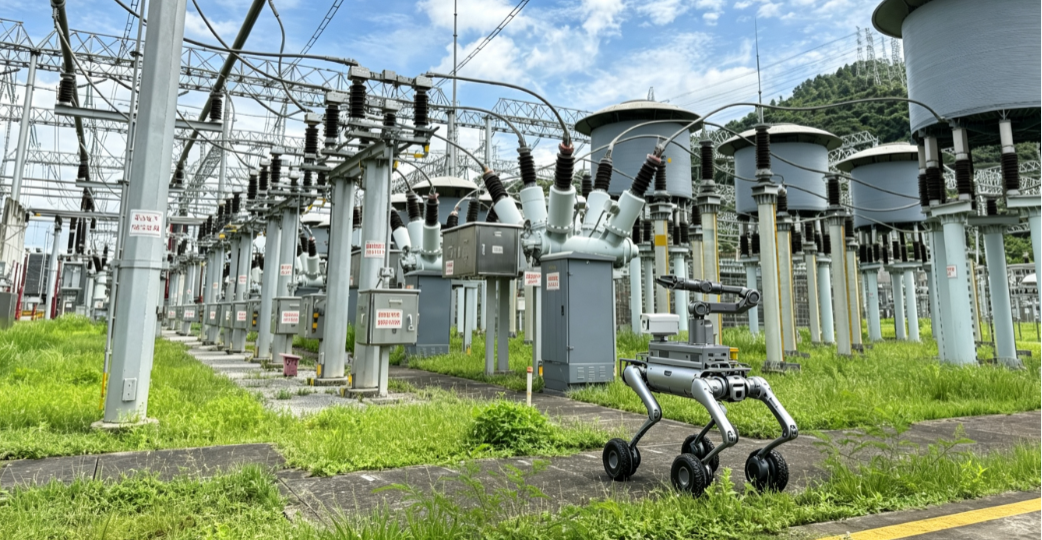
All-Terrain Mobility
45° slope climbing · 30cm step clearance. Adapts to substation gravel yards, mountain transmission routes, and tunnel stairways.

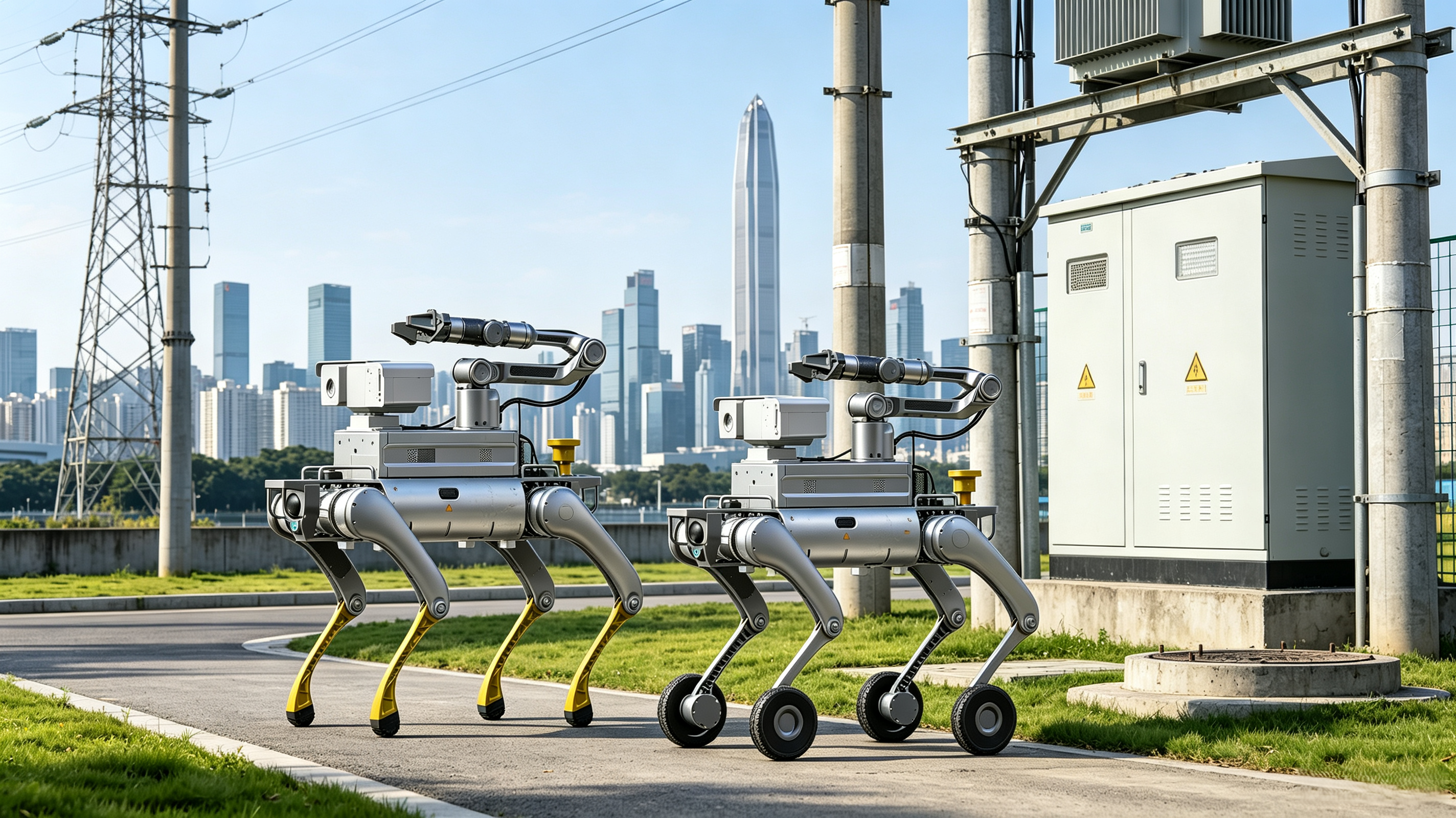
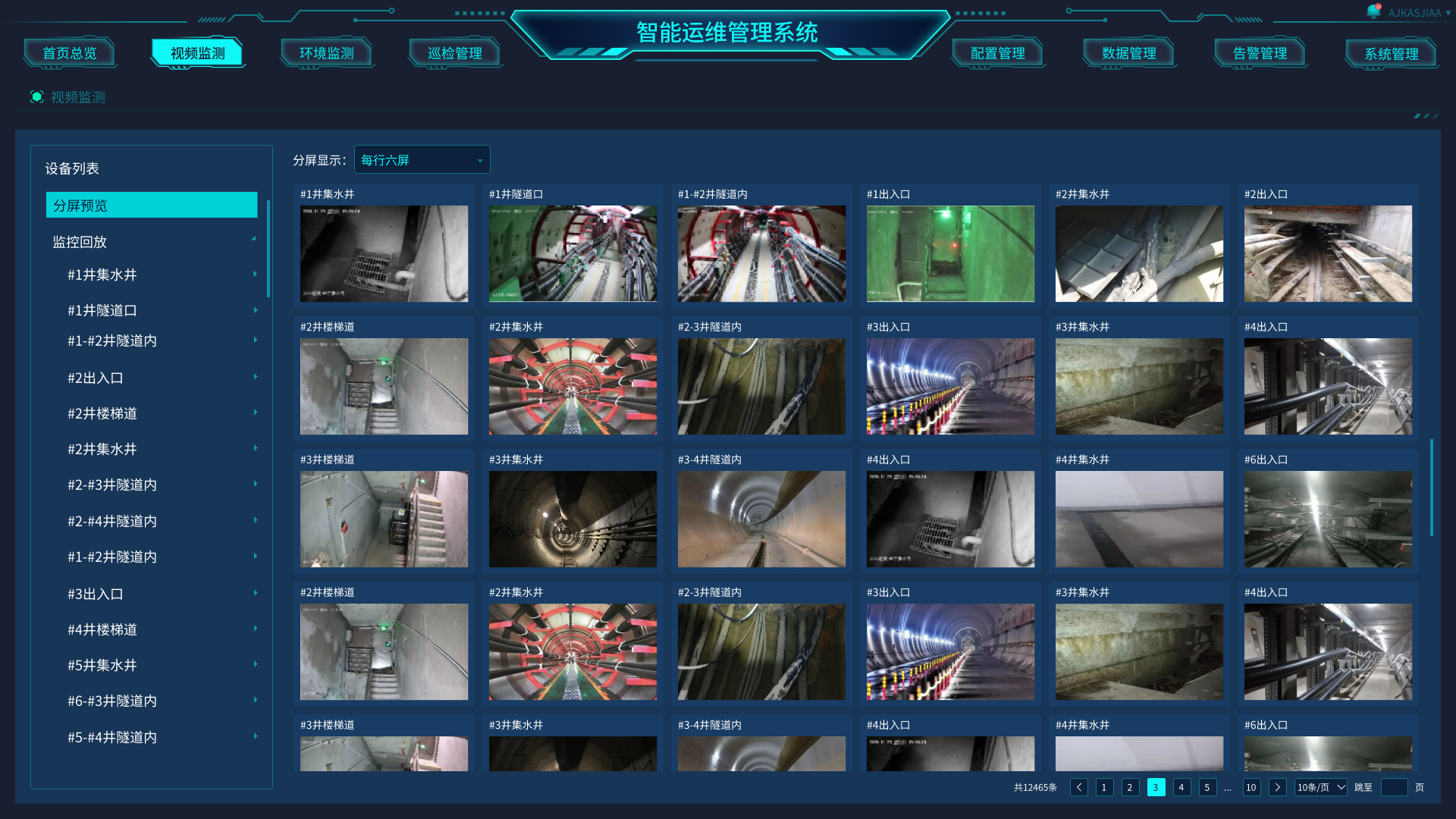
LINXAI Robotics products are deployed across power utility environments — from substations and underground tunnels to high-voltage transmission corridors. Equipped with dual-spectrum thermal imagers, partial discharge sensors, and other inspection payloads, they perform autonomous inspections that replace manual routines in hazardous and hard-to-reach locations.
With 45° slope climbing, 30cm step clearance, heavy payload capacity, and extended endurance, the robots navigate complex terrain including substation gravel, mountain transmission routes, and tunnel stairways. They operate autonomously in GPS-denied tunnels and across a -20°C to 55°C temperature range, reliably identifying equipment defects, thermal anomalies, and potential hazards.
Equipped with dual-spectrum thermal imagers and ultrasonic partial discharge detectors, the robot performs routine inspections of transformers, switchgear, and dis-connectors — automatically identifying thermal anomalies, equipment defects, and meter readings, replacing manual inspection routines.
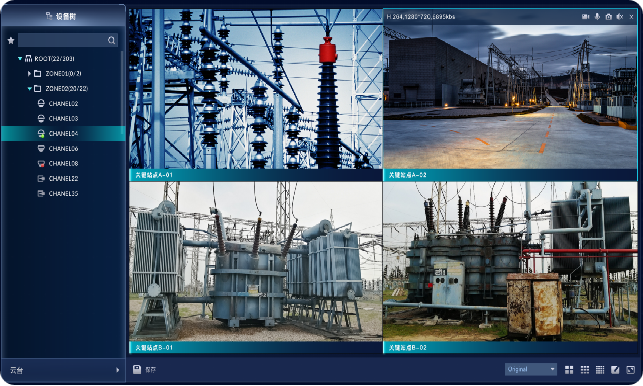
Addressing the core challenges of traditional inspection — subjective human error, high-risk exposure, workforce shortages, terrain limitations, GPS-denied environments, and data silos that delay fault detection.