IP67 Industrial-Grade Protection
Dustproof, waterproof, and smoke-resistant — reliable operation in fireground spray, high-humidity, and debris-laden environments.

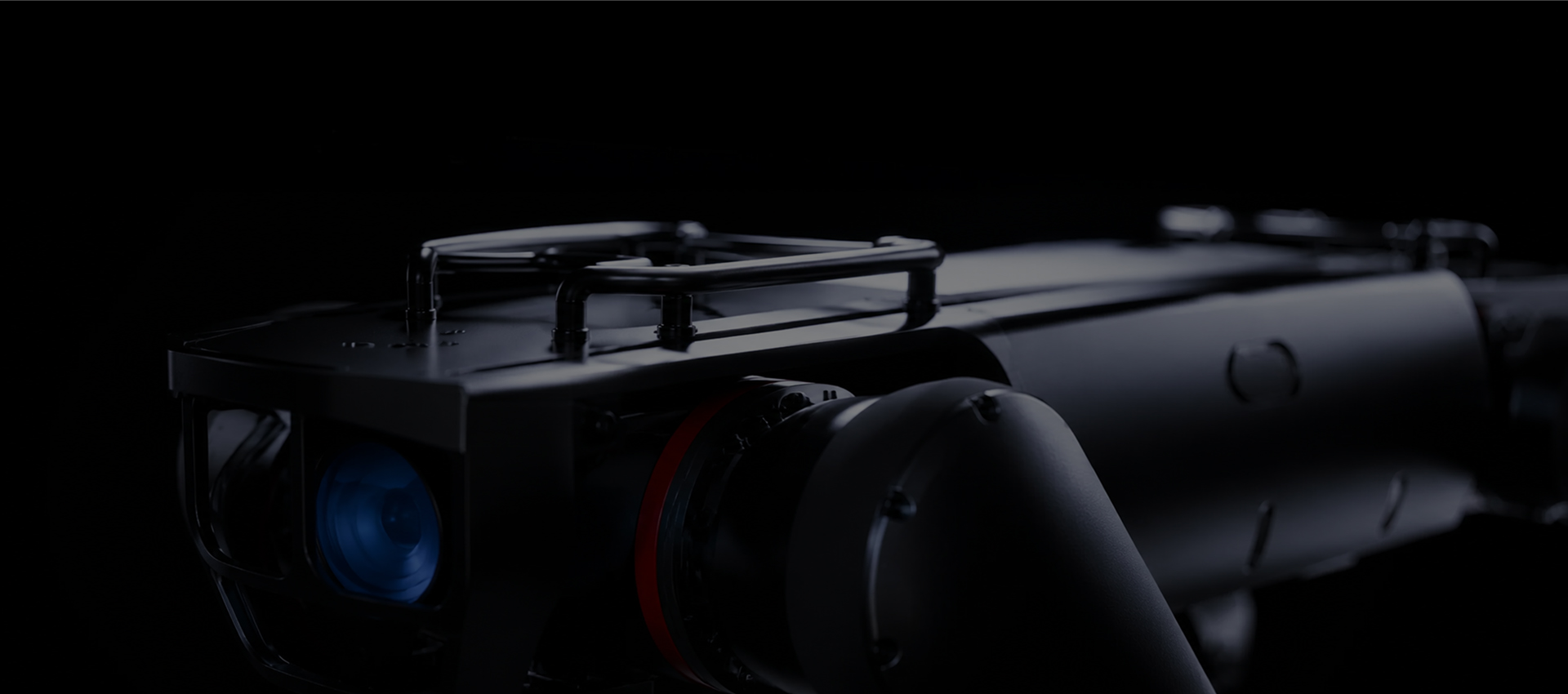
In emergency response and fire rescue operations, LINXAI robots serve as the first line of defense — entering smoke-filled, toxic, or collapsed environments ahead of personnel, equipped with detection sensors and streaming critical data in real time. With IP67-rated protection, autonomous self-righting after falls, and onboard edge AI that maintains full functionality even when disconnected from networks, the robots ensure operational continuity in the most extreme conditions. Their high payload capacity also addresses the "last 500 meters" logistics challenge — delivering rescue equipment and supplies directly to the frontline.
Nuclear power facilities combine high radiation levels, stringent safety requirements, densely arranged equipment and complex inspection environments. Conventional manual inspection exposes personnel to risk, limits inspection efficiency and leaves some complex areas insufficiently covered. It also relies on human judgment, is susceptible to recording errors and makes continuous 24-hour operation difficult.
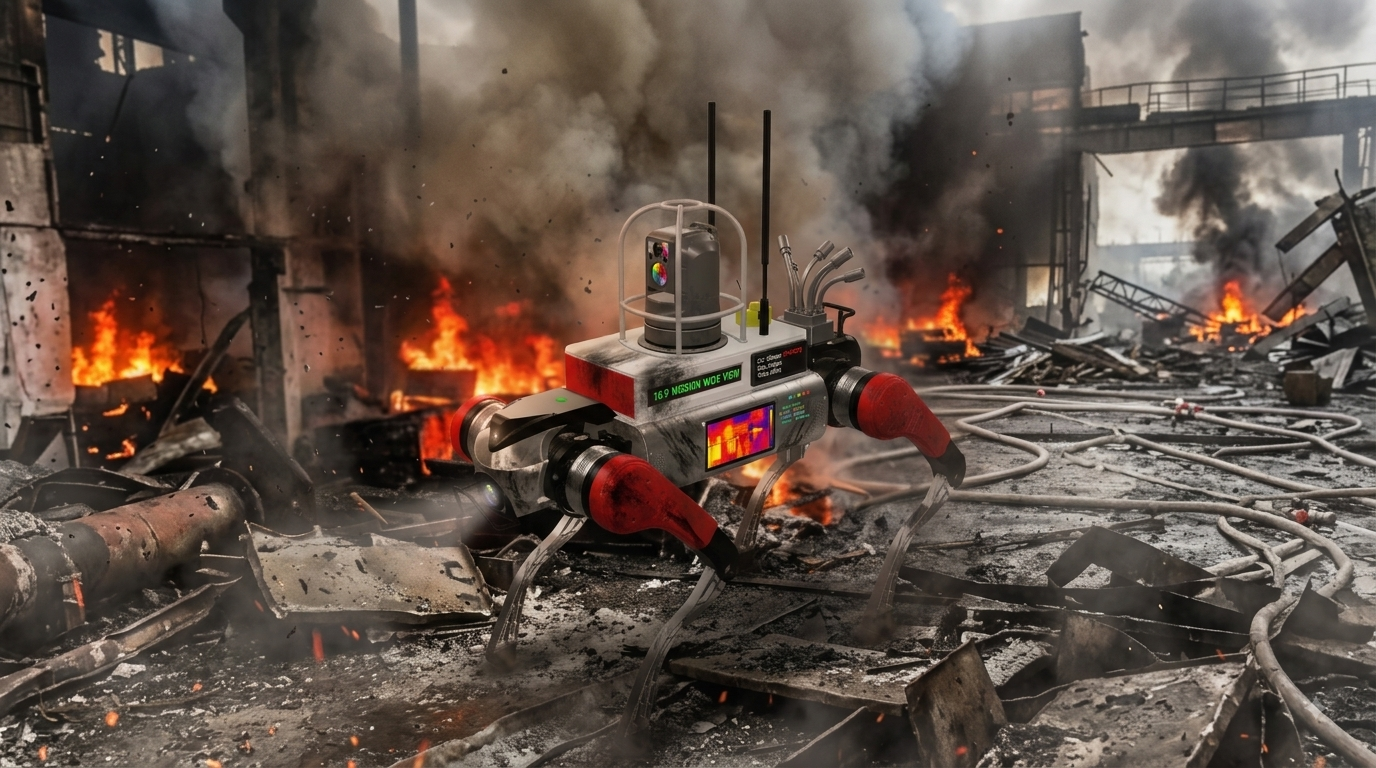
LINXAI quadruped robots enter smoke-filled, high-temperature, and toxic environments equipped with thermal imagers and gas sensors — streaming real-time video and gas concentration data to incident commanders for informed decision-making. The robots address critical pain points in traditional emergency response:
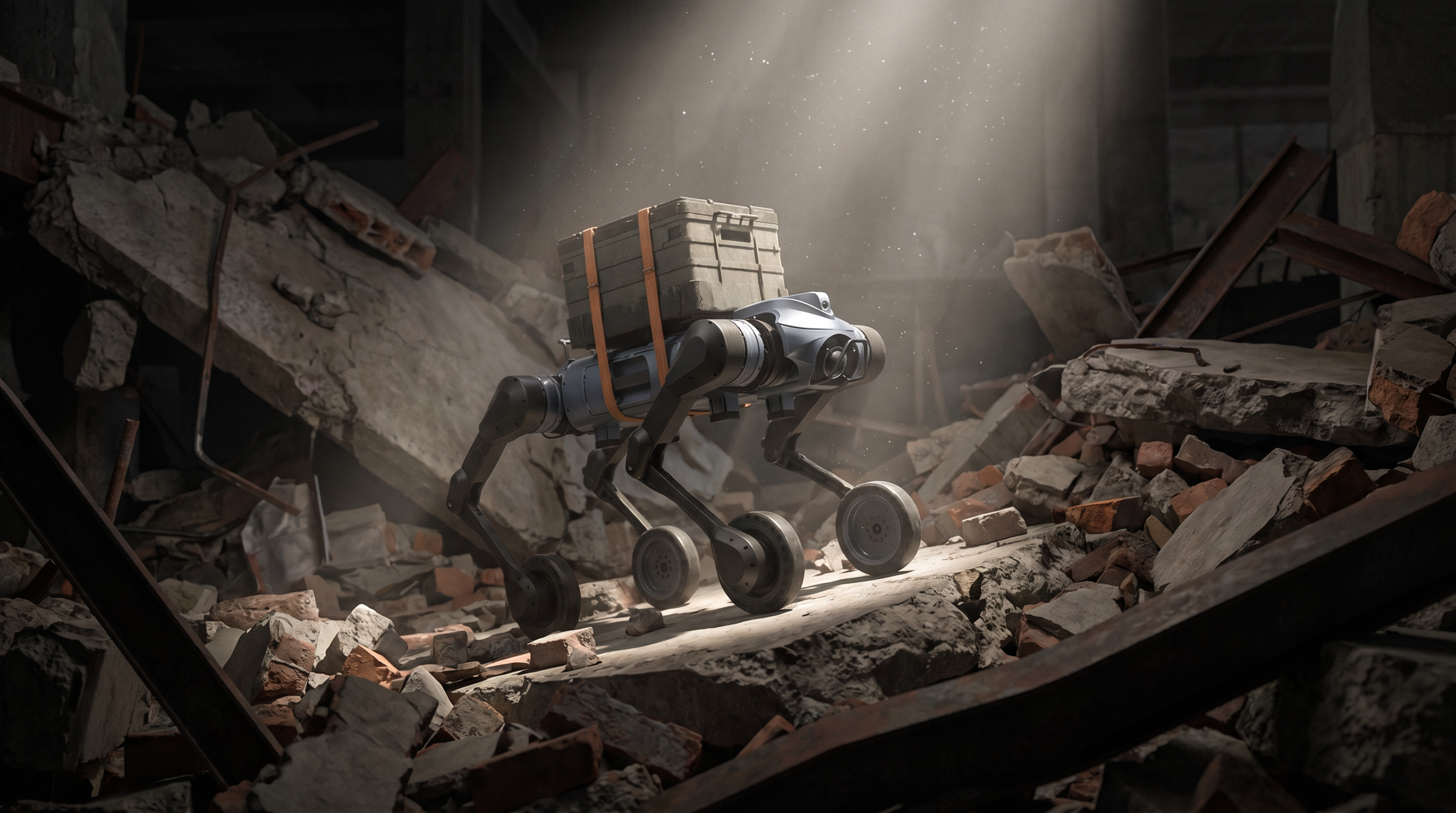
Navigates collapsed structures, broken glass, and confined spaces. Uses infrared thermal imaging to locate trapped individuals and deploys life-detection sensors into hazardous zones.
.png)
Addressing critical pain points in traditional emergency response: Reconnaissance gaps — Fire and toxic environments are inaccessible to personnel, creating information voids that delay decision-making and compromise the golden window for rescue. Logistics bottlenecks — Firefighters carrying 40kg+ loads across rubble and stairs severely limit resupply efficiency, creating a "last 500 meters" supply gap. Hazmat response risks — Toxic or radiological zones are inaccessible to personnel, making leak source localization and concentration measurement difficult and inc
.png)
.png)